Raising Resilient Kids: The Essential Guide to Positive Parenting
Parenting is rewarding, but let’s face it, also a bit like running a marathon in a sleep-deprived haze. However, we all want the best for our kids, right? Raising resilient kids isn’t just about protecting them from every challenge; instead, it’s about providing them with the emotional tools they need to bounce back and handle life’s difficulties with confidence. Although we can’t shield them from every bump in the road, raising resilient kids is the key to helping them thrive in any situation.
It’s about raising resilient kids!
Positive parenting isn’t just about managing behavior. Rather, it’s about building a strong, nurturing relationship based on respect, empathy, and understanding. In fact, it’s about raising resilient kids and helping them become emotionally independent while guiding them with love and kindness. It teaches them how to face difficulties with confidence and develop life skills for success, without you having to remind them to brush their teeth for the hundredth time.
What is Positive Parenting?
Positive parenting is about understanding children’s needs and responding to them with love, empathy, and consistency. Moreover, it’s about creating a nurturing environment where children feel safe, heard, and understood. Instead of focusing on punishment, positive parenting encourages teaching children valuable life skills like emotional regulation, empathy, and problem-solving. Ultimately, it’s not about being perfect (because, let’s face it, who can really do that?). Rather, it’s about creating a space where children can thrive and make mistakes without judgment. And when they do mess up (as we all do), it’s about learning from those experiences. That’s what raising resilient kids is about!
Raising Resilient Kids: The Pillars of Positive Parenting
Positive parenting is built on several key pillars that guide the way parents engage with their children. These pillars help strengthen the parent-child relationship and lay the foundation for a child’s emotional and social growth. These pillars, in turn, assist us in raising resilient kids. Let’s break them down:
Mutual Respect
Respect is the cornerstone of any healthy relationship, including the one between parents and children. Positive parenting is built on the principle of mutual respect. This means listening to your child’s feelings, acknowledging their thoughts, and showing kindness. The more you treat your child with respect, the more they’ll do the same for others, and for you.
Empathy and Understanding
Empathy is all about walking a mile in someone else’s shoes. In this case, in your child’s case, it’s listening to them whine about something that seems trivial to you but is a “major crisis” to them. Positive parents practice empathy by truly understanding what their children are going through. By acknowledging those feelings, it will go a long way in strengthening your connection.
Clear Boundaries and Consistency
Children need structure, and let’s be honest, they like it better when they know what to expect, especially when it comes to rules. Positive parenting involves setting clear, consistent boundaries. This doesn’t mean being a drill sergeant; it’s about providing security through reasonable expectations. Consistency helps children understand what’s expected of them (like why they can’t wear pajamas to the grocery store at 3 p.m.). As a result, when rules are clear, they are more likely to follow them. Trust me, it’ll make your life a lot easier when you don’t have to repeat the same instructions a hundred times.
Encouragement and Positive Reinforcement
We’ve all heard the phrase “catch them being good,” but positive parenting takes it to heart. Encouraging good behavior, rather than focusing on what’s going wrong, makes a huge difference. For instance, praise them for their efforts, no matter how small, like when they put their shoes away without being asked or when they complete their homework without turning it into a three-day event. Positive reinforcement builds confidence and motivation! Therefore, your child will want to keep making those great choices, though they might still try to dodge chores.
Effective Communication
Communication is key in any relationship, but when it comes to kids, it’s like trying to communicate with a mini hurricane. Positive parenting means being clear, calm, and understanding. Speaking with kindness and listening actively shows that their thoughts and feelings matter. When it’s time to have those “difficult conversations” (like why they can’t stay up until midnight watching TV), approach it with empathy and clarity. In the end, trust me, it’ll be easier than you think.
Emotional Coaching
As parents, we all want to help our children understand and manage their emotions. Emotional coaching is about teaching children how to name and express their feelings. It’s about giving them the tools to navigate difficult situations and express themselves healthily. Through emotional coaching, children become more resilient and capable of handling life’s little bumps without the need for a full-on meltdown, though, let’s be real, there will always be a few. Remember, our goal is raising resilient kids!
Patience and Flexibility
Let’s face it, parenting isn’t a sprint, it’s a marathon. Positive parenting and raising resilient kids requires patience and flexibility, especially when the world (or your child) is throwing curveballs your way. Instead of reacting with frustration when things don’t go as planned, practice patience and flexibility. After all, children are constantly learning and growing, and sometimes they need the space to make mistakes (even if they involve spilled milk or a very messy room). So, take a deep breath, and remember, tomorrow is a new day.
Raising Resilient Kids: The Benefits of Positive Parenting
By embracing positive parenting, parents can expect to see long-lasting benefits in their children’s emotional and social development. Some key benefits in raising resilient kids include:
- Increased Confidence: Children who are encouraged for their efforts, no matter how small, develop greater self-esteem, which is a crucial part of raising resilient kids. They start believing in their abilities and become more willing to take on new challenges.
- Emotional Resilience: Positive parenting helps children build emotional resilience, teaching them how to handle difficult emotions with maturity and bounce back from setbacks. By teaching children how to manage their emotions and solve problems, parents can make a significant impact on raising resilient kids who can handle adversity with grace.
- Improved Social Skills: By modeling empathy and respect, parents play a crucial role in raising resilient kids who learn to engage with others in kind, compassionate ways, developing stronger relationships with friends, family, and peers.
- Better Behavior: Consistent boundaries and positive reinforcement help children learn self-control and the importance of making good choices.
- Stronger Relationships: By fostering trust, respect, and communication, positive parenting strengthens the relationship between parent and child, making it easier to navigate the ups and downs of growing up together.
How Positive Parenting Transforms Your Relationship with Your Child
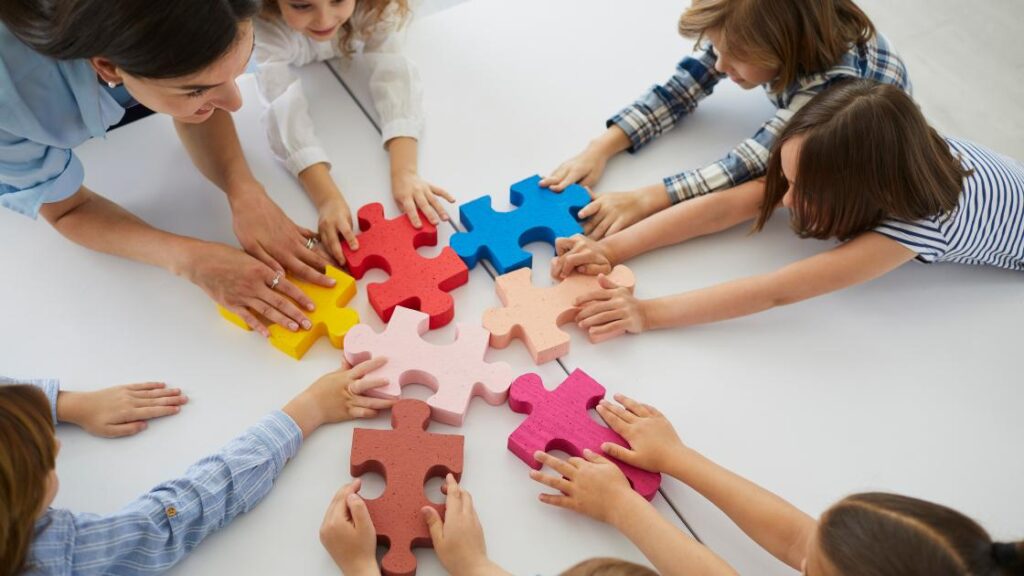
The goal of positive parenting is to foster a deeper, more supportive relationship between parents and children. It’s about helping children grow emotionally, socially, and intellectually in a way that makes them feel secure, loved, and understood.
When parents focus on building trust, empathy, and respect, they create a solid foundation for a relationship that can withstand life’s inevitable challenges. Positive parenting isn’t about being perfect, it’s about showing up with love, consistency, and a sense of humor. Remember, sometimes the best way to handle a challenging situation is with a little laugh (or a lot of deep breaths).
Raising Resilient Kids: Get Started with Positive Parenting
Positive parenting doesn’t require drastic changes overnight; it’s about small, intentional steps that create a lasting impact. Here are a few tips to get started:
- Lead by Example: Children learn best by observing. Model positive behaviors like kindness, patience, and respect, and they will follow suit. A crucial part of raising resilient kids is modeling positive coping strategies so children learn how to navigate stressful situations effectively.
- Set Clear Expectations: Be consistent and clear about rules and expectations. Children feel more secure when they know what’s expected of them. Through consistent love, support, and clear boundaries, parents can play a key role in raising resilient kids who are ready to face the world’s ups and downs.
- Listen and Validate: When your child expresses their feelings, listen carefully and validate their emotions. This helps them feel understood and supported.
- Encourage and Praise: Focus on reinforcing positive behaviors. Celebrate effort, progress, and small victories, and watch their confidence grow. The foundation of raising resilient kids lies in fostering a growth mindset, where challenges are seen as opportunities rather than obstacles.
Raising Resilient Kids: Embrace the Power of Positive Parenting
Positive parenting is a powerful approach that helps parents build strong, resilient, and compassionate children. It’s about nurturing the parent-child relationship, fostering emotional resilience, and teaching children valuable life skills. Through love, consistency, and a little humor, parents can raise children who are confident, emotionally intelligent, and ready to take on the world.
In conclusion, raising resilient kids requires a combination of love, patience, and consistency. So, embrace the journey of positive parenting. Take it one step at a time, laugh when things get messy, and remember: no one’s perfect, but every effort you make counts in helping your child thrive.
Additional Reading: (these are my favorites)!
Positive Parenting: An Essential Guide – Rebecca Eanes
Calm Parents, Happy Kids: The Secrets of Stress-Free Parenting – Laura Markham