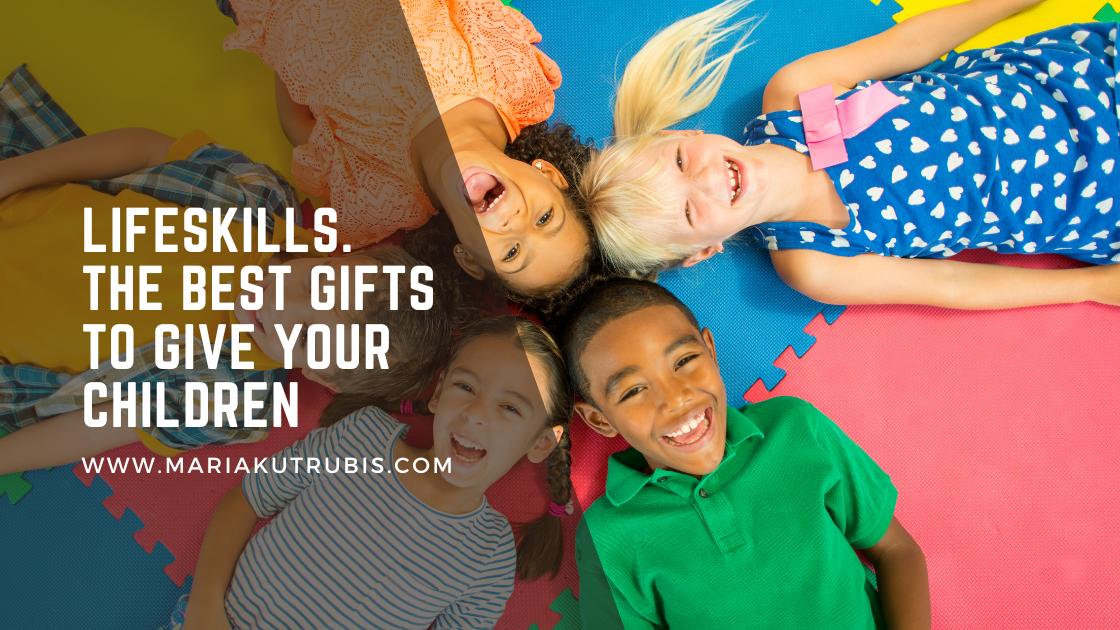
Lifeskills. The Best Gifts to Give Your Children
As a parent, we all want to give our children the very best. While toys, gadgets, and clothes are nice, the most valuable gifts we can give are the life skills that will serve them for a lifetime. These aren’t just lessons—they are tools that will empower your child to navigate life’s challenges, build strong relationships, and thrive in a world that’s constantly changing. Let’s dive into some of the most crucial life skills you can teach your children and how you can start today.
Emotional Intelligence: The Compass of Life
Emotional intelligence is like a compass that guides your child through the ups and downs of life. It helps them understand their own emotions and empathize with the feelings of others.
To Do:
- Name That Feeling: Encourage your child to identify and label their emotions throughout the day. For example, after a tantrum, calmly ask, “Are you feeling frustrated because you couldn’t have what you wanted?” This helps them connect their feelings with words and better understand their emotions.
- Empathy Exercises: Read stories together and pause to ask how different characters might be feeling. “How do you think she feels now?” This helps them practice putting themselves in others’ shoes.
- Daily Check-Ins: Make it a habit to ask your child how they felt about their day and why. This simple practice fosters emotional awareness and open communication.
Critical Thinking: Unlocking Potential
Lifeskills. The Best Gifts to Give Your Children
Critical thinking is the key that unlocks your child’s potential to solve problems, make wise decisions, and think creatively.
To Do:
- Ask Open-Ended Questions: When your child faces a problem, instead of offering solutions, ask questions like, “What do you think we should do?” or “What could happen if we try this?” This encourages them to think through the problem themselves.
- Debate Time: Choose a simple topic (e.g., “Is it better to have a pet dog or cat?”) and have a friendly debate. This not only sharpens their reasoning but also teaches them to respect differing opinions.
- Puzzle Games: Engage in activities like puzzles, brain teasers, or strategy games. These are fun ways to strengthen critical thinking while spending quality time together.
Resilience: The Power to Bounce Back
Resilience is the inner strength that allows your child to rise above setbacks and keep moving forward.
To Do:
- Celebrate Effort, Not Just Success: Praise your child not just for winning but for trying hard. When they fail, encourage them to reflect on what they learned and how they can improve next time.
- Resilience Role Models: Share stories of famous individuals who overcame challenges (like Thomas Edison’s many attempts before inventing the lightbulb). This shows them that setbacks are part of the journey to success.
- Practice Problem-Solving: When things don’t go as planned, resist the urge to fix it for them. Instead, ask, “What can we do to make this better?” This empowers them to find solutions and build resilience.
Communication Skills: The Bridge to the World
Lifeskills. The Best Gifts to Give Your Children
Communication is the bridge that connects your child to the world. It’s about more than just talking; it’s about expressing ideas clearly and listening to others.
To Do:
- Role-Playing Scenarios: Act out different social situations (like meeting someone new or handling a disagreement). This helps your child practice effective communication in a safe, fun environment.
- Active Listening Practice: During conversations, teach your child to listen fully before responding. You can practice this by repeating what the other person said to ensure they understood.
- Expressing Gratitude: Encourage your child to regularly express appreciation, whether through a thank you note or verbal acknowledgment. This reinforces positive communication and builds strong relationships.
Time Management: The Secret to a Balanced Life
Time management is a critical skill that helps your child juggle responsibilities, passions, and goals.
To Do:
- Daily Planners: Introduce a simple planner or calendar where your child can organize their day. This teaches them to prioritize tasks and manage their time effectively.
- Setting Timers: Use a timer to help them focus on a task for a set period, followed by a break. This builds discipline and teaches them the value of time.
- Goal Setting: Work together to set short- and long-term goals, then break them down into smaller, manageable tasks. Celebrate each milestone to keep them motivated.
Self-Discipline: The Foundation of Success
Lifeskills. The Best Gifts to Give Your Children
Self-discipline is about teaching your child to stay focused, persevere, and control their impulses to achieve their goals.
To Do:
- Create Routines: Establish consistent daily routines, such as homework before playtime. This helps your child develop discipline and understand the importance of responsibilities.
- Reward Systems: Use positive reinforcement to encourage self-discipline. For example, a sticker chart for completing chores can motivate them to stay on task.
- Model Self-Discipline: Show your child how you manage tasks and stay disciplined in your own life. Children often learn by observing, so your example is powerful.
Adaptability: Thriving in a Changing World
Adaptability is key to thriving in a world that’s always changing. It’s about being open to new experiences and flexible in thinking.
To Do:
- Try New Things Together: Encourage your child to try new activities or foods regularly. This teaches them to embrace change with curiosity rather than fear.
- Plan “What If” Scenarios: Discuss different scenarios where plans might change and how to adapt. For example, “What if it rains on the day of our picnic?” This helps them think ahead and remain flexible.
- Teach Coping Strategies: Equip your child with tools like deep breathing or positive self-talk to handle unexpected changes with grace.
Empathy: The Light of Compassion
Lifeskills. The Best Gifts to Give Your Children
Empathy helps your child understand and connect with others on a deeper level, fostering kindness and compassion.
To Do:
- Volunteer Together: Engage in community service or charity work. This gives your child a hands-on way to experience empathy and see the impact of kindness.
- Discuss Emotions Openly: When someone in your child’s life is going through a tough time, talk about how that person might feel and what you could do to help.
- Kindness Challenges: Create a “kindness jar” where you and your child can drop notes of kind actions to complete, like helping a neighbor or writing a thank-you note.
Additional Resources for Further Reading
- “Emotional Intelligence: Why It Can Matter More Than IQ” by Daniel Goleman – A deep dive into the importance of emotional intelligence.
- “The Resilience Factor: 7 Essential Skills for Overcoming Life’s Inevitable Obstacles” by Karen Reivich and Andrew Shatté – A guide to building resilience in yourself and your children.
- “Mindset: The New Psychology of Success” by Carol S. Dweck – Learn about the power of a growth mindset and how to instill it in your children.
Lifeskills. The Best Gifts to Give Your Children
These life skills are the best gifts you can give your child. By nurturing them, you’re helping your child not only become a capable and confident individual but also a compassionate and inspiring human being. So, start today—these small actions will make a big difference in their lives!






Pingback: Building Stronger Students. Parents and Teachers Team Up! - Maria Kutrubis