Explore the myth of perfect parenting and discover why connection not control, is the key to a stronger parent-child relationship.
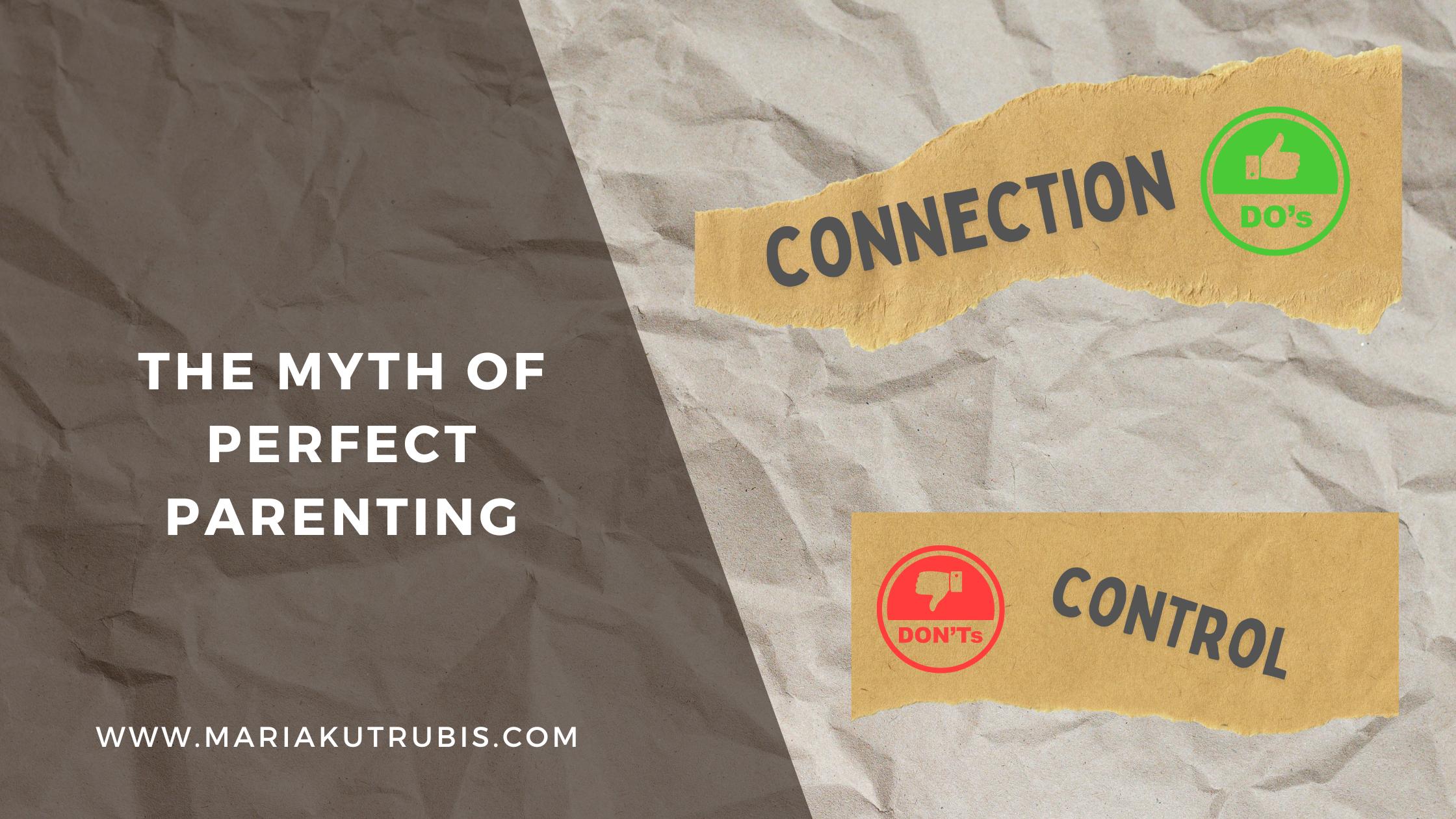
The Myth of Perfect Parenting: Why Connection is Key, Not Control
“Why won’t they listen? What am I doing wrong?” Sound familiar? Parenting is a journey filled with love, challenges, and lots of frustration. If you’ve ever felt like you’ve lost control, you’re not alone. But here’s the secret: trying to control your child may be the problem, not the solution. In fact, the Perfect Parenting Myth suggests that if we follow all the right steps, our children will behave perfectly. However, this idealistic view sets us up for frustration, as no one can control another human being, especially not a child.
The Illusion of Control in the Perfect Parenting Myth
Parents often believe that if they do everything “right,” their children will behave perfectly. But here’s a truth bomb: no one can fully control another person, not even their child. When a toddler has a meltdown in the grocery store, or your teen shuts you out, control seems to slip away, and frustration rises. Society often tells us that perfect parenting yields perfect children, but this myth only sets us up for failure.
The Myth of Perfect Parenting: Why Control Isn’t the Goal
Children aren’t machines; they’re young humans with their own emotions, desires, and thoughts. Trying to mold them into submission often leads to rebellion. More importantly, it stifles their ability to self-regulate and make choices. The tighter we grip, the more we lose the parent-child connection that is essential for guiding them.
Think of this: what if parenting wasn’t about control at all? What if it was about influence, connection, role modeling, and allowing your child the space to grow? Imagine what might change.

The Myth of Perfect Parenting: The Power of Connection over Control
Research shows that the parent-child relationship thrives on emotional connection rather than control. When you focus on building trust and open communication, you create an environment where your child feels seen and understood. This doesn’t mean there are no boundaries; boundaries are crucial but should come from mutual respect rather than dominance.
For instance, a child who feels secure in their relationship with their parent is more likely to follow rules because they understand the “why” behind them, not out of fear of punishment.
The Myth of Perfect Parenting: Let Go of the Reins (A Little) and Embrace Letting Go in Parenting
What does it mean to let go of control? It’s recognizing that your child is an individual on their own journey. It means allowing them to make mistakes, learn from them, and grow. Supporting their emotional development is far more valuable than micromanaging every step.
When you practice letting go in parenting and stop trying to control everything, your relationship with your child flourishes. They’ll come to you out of genuine connection, not obligation. And when they push back (because they will!), it won’t feel like the end of the world but rather a natural part of growing up.
A Bond That Lasts Forever
The next time you feel like you can’t control your child, remember: you’re not supposed to. Your job is to guide, give unconditional love, and influence, not control. By shifting your mindset, you’ll build a rewarding, lasting bond that helps your child grow into their best self.
Now, isn’t that the kind of “control” we truly want?
Additional Reading (I love these three)!
“Connection Parenting” by Pam Leofdsaf. This book emphasizes how connection and emotional bonding are central to effective parenting. It stresses that a child’s behavior often signals an unmet need for connection, and by fostering trust and communication, parents can resolve conflicts more effectively than by resorting to control or punishment.
“The Conscious Parent” by Shefali Tsabary. Dr. Shefali challenges the traditional control-based parenting model. Instead, she advocates for a conscious, mindful approach where parents connect with their children on a deeper emotional level. She argues that when parents become more aware of their own behavior, they can create a healthier, more cooperative relationship with their children.
“How to Talk So Kids Will Listen & Listen So Kids Will Talk” by Adele Faber and Elaine Mazlish. This classic book provides tools for parents to improve communication with their children. It emphasizes the importance of active listening, empathy, and emotional connection over coercion and control. The authors highlight how children are more likely to cooperate when they feel understood and respected.